A useful furniture enquiry explains what you need to achieve, not just which photograph you like. Bringing the model, dimensions, materials and project requirements together makes it easier to discuss a specification and compare a quotation. This checklist helps you prepare that information before contacting ULEE.
1. Identify the pieces and their intended use
List each product model or reference, the quantity and the room where it will be used. If a project includes several rooms, separate the items by room or area. A floor plan, photographs and a short description of the intended use provide context that a product link alone cannot convey.
For a custom design, include a sketch or reference image and explain which features matter: the outline, upholstery, finish or proportions. Distinguish the features you want to retain from those you want to change.
Explore coffee and dining tables
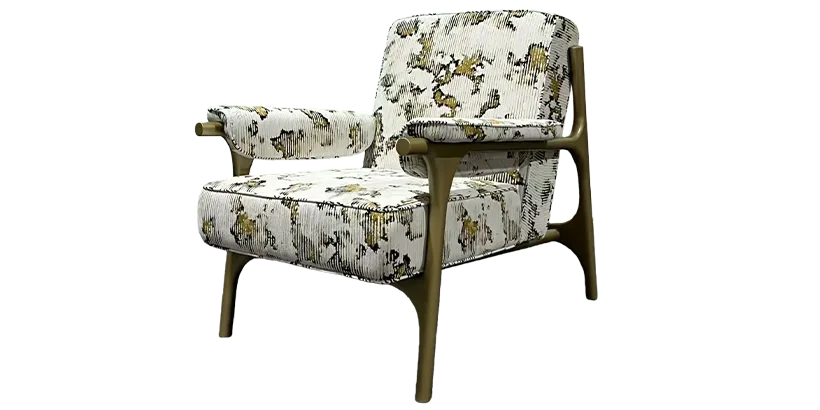
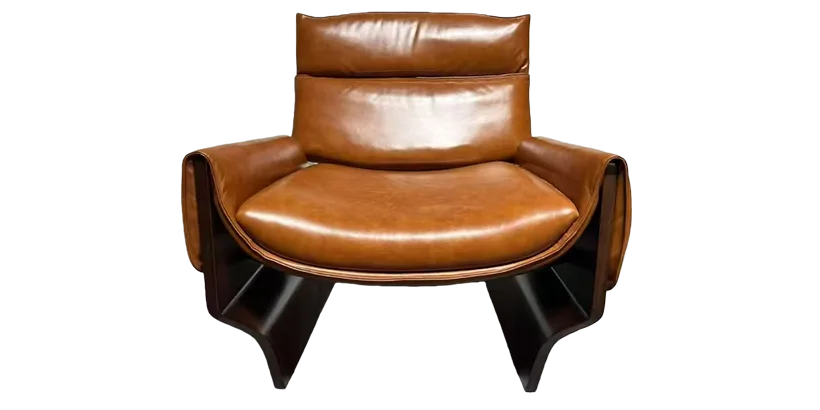
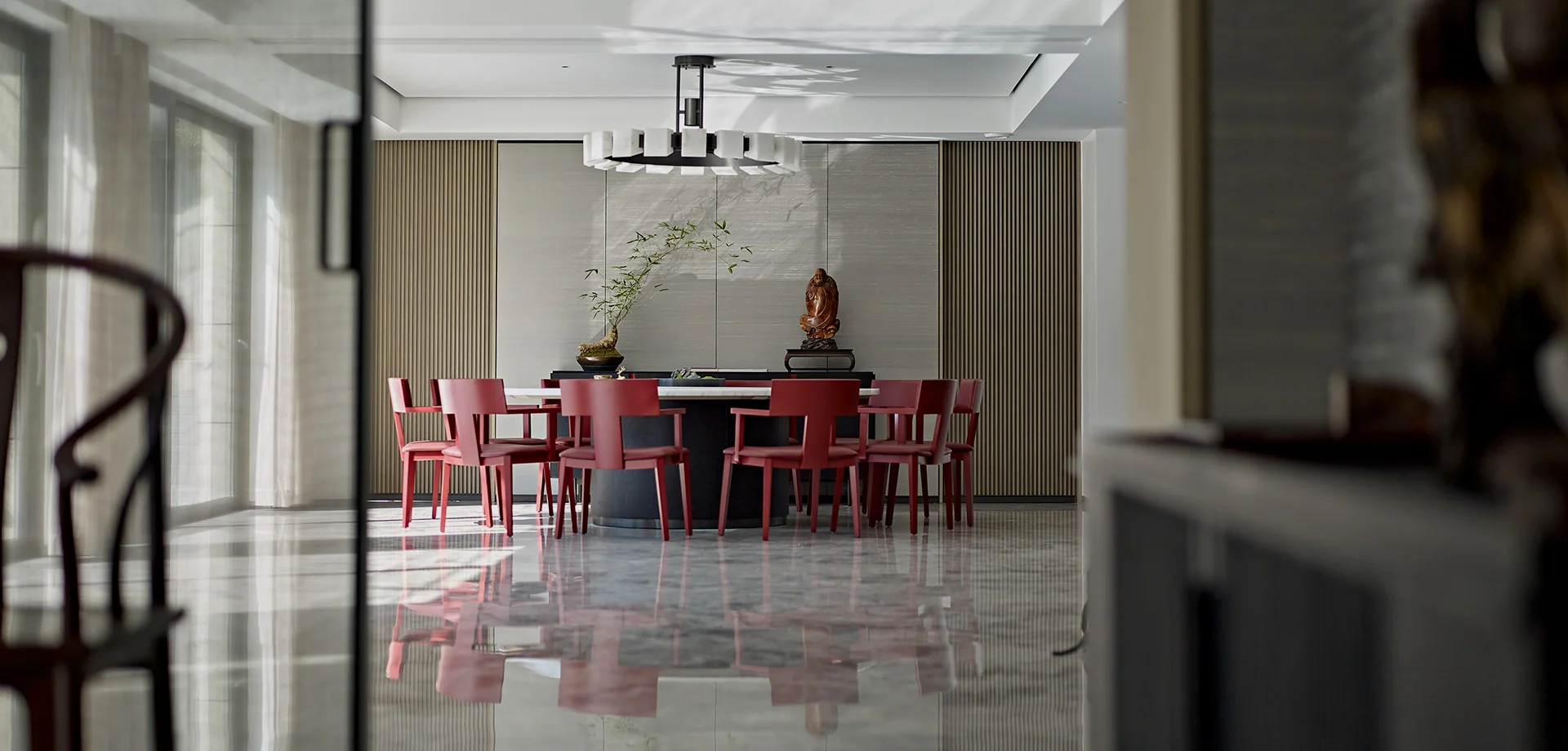
Explore lounge and dining chairs
2. Confirm the dimensions you are comparing
Write down the overall width, depth or length, and height, and state the unit. For chairs, record seat height and usable seat depth separately where these are important. For a dining arrangement, check the chair and table together, including arm clearance and the position of the table support.
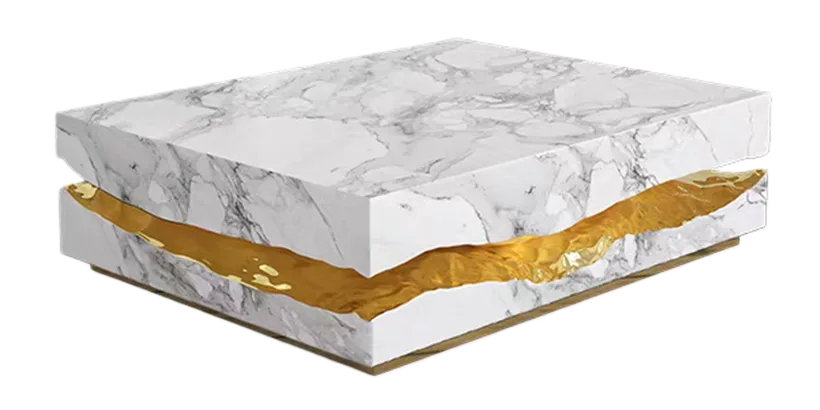
Use product drawings as references and request a drawing for the final configuration. If two references disagree, ask for clarification rather than choosing the more convenient number. The ULT-009 coffee-table references, for example, consistently show a 1400 × 1200 mm footprint and 450 mm height; any size change still needs its own confirmation.
Review the ULT-009 coffee table
3. Specify the material as well as the appearance
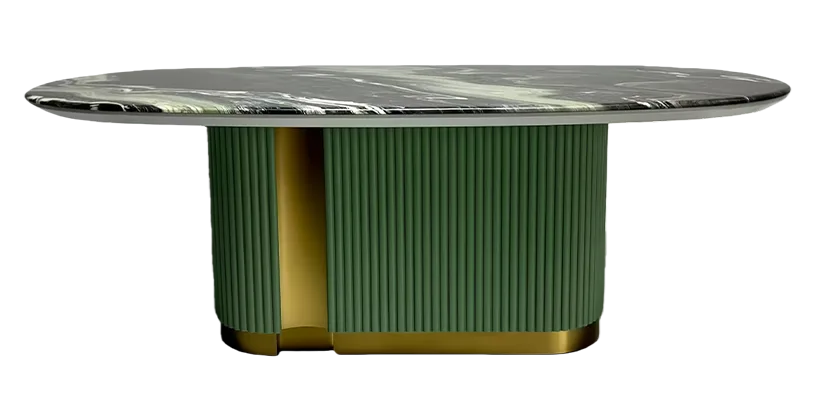
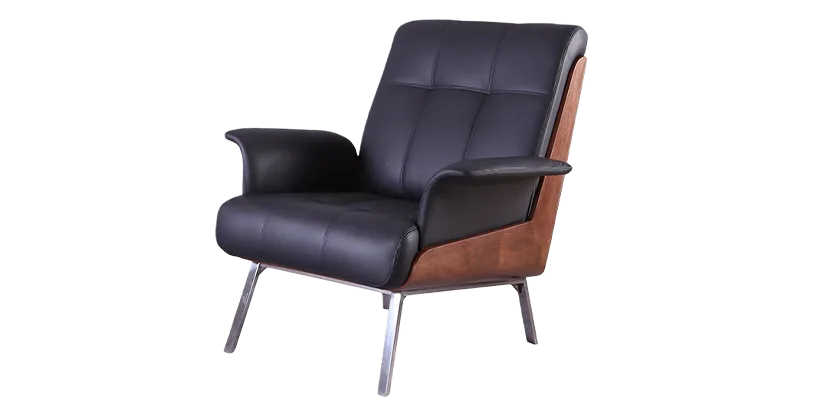
A finish name or photograph does not describe every part of a material specification. A veined stone pattern does not, on its own, establish the tabletop substrate. Likewise, leather-like fabric and leather should not be treated as the same upholstery.
Name the finish reference you prefer, then ask to confirm the material composition, colour and surface treatment. Review physical samples where needed, particularly when coordinating different pieces. If your project requires a particular performance test or document, state that requirement explicitly and request evidence for the selected material.
Browse material and finish references
4. Mark changes on a drawing
A marked plan or drawing makes a request more precise. Show the required dimensions, orientation and any constraints imposed by surrounding furniture. Note which measurements are fixed and which are preferences that can be discussed.
Keep the model, drawing revision, material selection and colour reference together when reviewing the proposed specification. Approve the final written details rather than relying on an earlier photograph or an informal description.
5. Include quantity and delivery requirements
Provide quantities for each item, the delivery destination and your target date. Identify any access constraints that may affect packaging or delivery, such as narrow entrances or lift dimensions, and request confirmation of the proposed packing and delivery arrangements.
Ask for the quotation to state its scope clearly, including the selected materials, dimensions and relevant delivery terms. Minimum quantities, production time, packing and price must be confirmed for the actual enquiry; a general product page cannot establish them for every project.
Your enquiry checklist
Before sending, check that you have included the model or design reference; quantities; room plan or intended use; dimensions with units; preferred materials and finish references; any performance requirements; and the destination and target date.
Keep unanswered questions visible so they can be resolved in the specification. A clear enquiry does not need to contain every technical answer from the start, but it should show what needs to be confirmed before an order is placed.